EV Powertrain: Fuel Efficiency and the EV Revolution
- USI

- Oct 26, 2021
- 2 min read
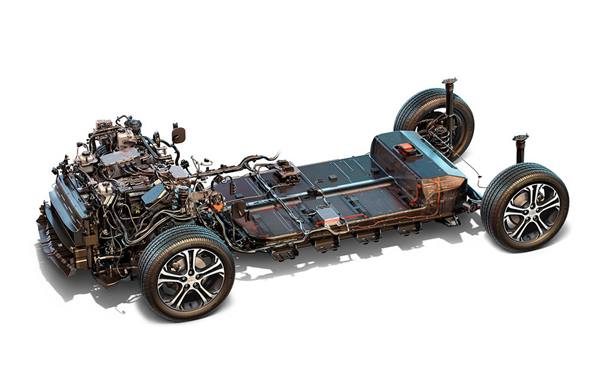
Electric vehicles (EV) are the next step in the evolution of the automobile. They are powered by an electric motor instead of an internal combustion engine. The powertrain is fundamentally different than that of a gasoline-powered car, or even than that of an electric vehicle that has a gasoline range extender. Here, are some things you should know about EV powertrain.
How EVs are different
The main differences are that an EV powertrain uses a single motor, rather than the two-motor arrangement used in electric motors found in gasoline-powered cars. In that configuration, a gasoline-powered engine powers a generator connected to an electric motor. This design has advantages: The single-motor design is better at both maximum power output and efficiency. With a gasoline engine connected to the generator, the car can be plugged in to recharge at home while driving on the road. The single-motor design allows a simpler, more modular, and more affordable powertrain. With two-motor hybrids, two motors must power both the motor and engine—one for the engine and one for the generator. In contrast, with a single-motor EV, the motor only powers the motor.
The EV Revolution
In recent decades, improvements in battery technology have enabled the production of electric vehicles with much greater ranges. According to U.S. Department of Energy (DOE), the average American spends around 22 hours each year in a car, with one out of every four miles traveled by an internal combustion engine. Of course, these cars also pollute the air in their neighborhood, plus they also increase greenhouse gas emissions. Therefore, many countries around the world have joined together to create the Electric Vehicle Initiative (EVI), which aims to change that. These improvements have paved the way for EVs. Though only a very small portion of the automobile market, EVs are growing in popularity.
Fuel Efficiency
Electric vehicles achieve their phenomenal mileage ratings through two factors: Distributed Generation Electric motors are inherently more efficient than an internal combustion engine because they do not have an engine to amplify internal energy and lubricate internal components. In fact, a direct comparison of the kinetic energy density of the two energy sources is revealing. A typical gasoline engine generates about 400 Watts of power per liter of fuel. That’s a figure very close to that of an electric motor. In the U.S., the average car’s fuel efficiency rating is about 25 miles per gallon, and that figure is much lower in the more populated and more developed regions of the world.
Conclusion
Regardless of your opinion on climate change or whether or not the idea of renewable energy is a great or terrible idea, electric vehicles offer all the benefits of plug-in hybrid vehicles (PHEVs). Their increased efficiency makes for a quieter and cleaner driving experience. Additionally, they consume no gasoline and require little to no maintenance.



Comments